- Welcome to My BTC World.
My BTC World
Learn And Earn Bitcoin!
 - Buy Banner Ad Space -
Recent posts
#51
Trading Crypto / Bitcoin Leverage Trading: What...
Last post by Admin - Jan 27, 2026, 02:16 PMBitcoin Leverage Trading: What It Is, How It Works, and the Risks
What is Bitcoin leverage trading?
Bitcoin leverage trading (often called "margin trading") lets you control a larger position than your account balance by borrowing funds from the platform.
This can amplify profits if price moves your way — but it also amplifies losses, and you can get liquidated (forced closed) quickly if price moves against you.
Spot vs. Leverage (simple example)
• Spot: You buy $500 of BTC → you own $500 of BTC.
• Leverage (example: 10x): You use $500 margin to control a $5,000 BTC position.
That extra size is the "leverage."
Key terms you MUST understand
1) Long vs. Short
• Long = you profit if BTC goes up.
• Short = you profit if BTC goes down.
2) Leverage (e.g., 2x, 5x, 10x, 50x)
Higher leverage = smaller move can liquidate you.
3) Margin
Your collateral for the trade (the money you put up).
• Initial margin = what you start with.
• Maintenance margin = minimum required to keep the trade open.
4) Liquidation
If your position's losses reach a point where your margin can't support it, the platform closes the position to prevent further losses.
Liquidation can happen fast, especially at high leverage.
5) Funding/fees
Leverage trading typically has:
• Trading fees (maker/taker)
• Potential funding payments (especially in perpetual futures)
• Other platform fees depending on the product
How leverage trading works (step-by-step)
Step 1: Choose your market
Most leverage traders use perpetual contracts (perps) rather than spot. Perps track the BTC price and can be held without an expiry date (but may involve funding payments).
Step 2: Pick direction
• Long if you expect BTC to rise
• Short if you expect BTC to fall
Step 3: Choose leverage
Example: 5x or 10x.
Tip: Beginners usually get wrecked using high leverage. Lower leverage gives your trade "room to breathe."
Step 4: Set position size
Your position size is:
Position Size = Margin × Leverage
Example: $200 margin × 10x = $2,000 position.
Step 5: Risk management (do NOT skip this)
Use these tools before entering:
• Stop-loss (auto-exit if wrong)
• Take-profit (lock gains)
• Position sizing (don't bet your account)
• Avoid "all-in" (one liquidation can wipe you)
Step 6: Monitor liquidation price
Platforms usually display an estimated liquidation price.
If BTC approaches it, you may:
• Add margin (reduces liquidation risk)
• Reduce/close position
• Accept the loss and move on
Why people use leverage
• To magnify gains on small moves
• To hedge (e.g., short to protect spot holdings)
• To trade both directions (up or down)
Why leverage is dangerous
• Losses scale up just like profits
• A sudden wick can liquidate you
• Overtrading + high leverage = account death spiral
Beginner rules (worth following)
• Start with low leverage (e.g., 2x–5x)
• Always use a stop-loss
• Risk only 1%–2% of your account per trade (many pros do this)
• Don't chase losses ("revenge trade")
• If you don't understand liquidation, don't use leverage yet
Where to trade: Try Margex
If you want a platform to explore BTC leverage trading (long/short, leverage, and risk tools), check out Margex here:
https://mybtc.world/go/margex/
Important: Leverage trading is high-risk and not suitable for everyone. Only trade with money you can afford to lose, and consider starting with very small size until you fully understand fees, liquidation, and risk controls.
Quick FAQ
Q: Can I lose more than I deposit?
A: Depending on the product and platform rules, losses may be limited by liquidation mechanics, but extreme volatility and fees/slippage can still cause significant losses. Always read the platform's risk disclosures.
Q: What leverage should a beginner use?
A: Many beginners do best starting at 2x–5x. Higher leverage increases liquidation risk dramatically.
Q: Is leverage trading the same as futures?
A: Often yes in practice. Many crypto "leverage" products are perpetual futures/derivatives rather than spot margin.
Q: What's the #1 reason people get liquidated?
A: Using too much leverage and not using a stop-loss.
Final reminder
Leverage is a tool — it can help experienced traders, but it punishes mistakes fast. If you decide to try it, do it carefully, manage risk, and consider starting on Margex here:
https://mybtc.world/go/margex/
#52
General Discussion / Bitcoin Block Halvings Explain...
Last post by Admin - Jan 26, 2026, 08:23 PMBitcoin Block Halvings Explained: What They Are, Why They Matter, and What to Expect Next
Quick Link: Want the live countdown? Use this page anytime:
✅
Bitcoin Halving Countdown (Live)
1) What Is a Bitcoin "Halving"?
Bitcoin is programmed to release new coins on a predictable schedule. Miners (the computers securing the network) add new blocks of transactions to the blockchain. When a miner finds a valid block, they earn a reward called the block subsidy (plus transaction fees).
A Bitcoin halving is the moment when that block subsidy is cut in half.
This happens automatically about every 210,000 blocks, which is roughly every 4 years (not exactly 4 years because block times vary).
In simple terms:
- Halving = fewer new BTC created per block
- Fewer new BTC created per day
- New supply becomes scarcer over time
2) Why Does Bitcoin Have Halvings?
Bitcoin's halvings exist to enforce a fixed monetary policy that nobody can change on a whim.
Bitcoin is designed to:
- Reduce new supply over time
- Eventually stop creating new BTC entirely
- Cap total supply at 21,000,000 BTC
3) How the Halving Schedule Works
Bitcoin started with a reward of 50 BTC per block. Every halving cuts that in half:
- 50 BTC → 25 BTC
- 25 BTC → 12.5 BTC
- 12.5 BTC → 6.25 BTC
- 6.25 BTC → 3.125 BTC
That will continue until the block subsidy becomes effectively zero in the far future (around the year 2140). Even then, miners can still be paid via transaction fees.
Important detail: Bitcoin targets ~10 minutes per block, but it isn't a clock. Some days blocks come faster, some slower. That's why the halving date is always an estimate until it happens.
4) What Happens on Halving Day?
On the halving block:
- The block subsidy immediately drops by 50%[]The next block after that uses the new subsidy
- Nothing else "magical" changes — the network just continues
No one "presses a button." There's no special ceremony built into Bitcoin — it's simply the software doing what it was programmed to do.
Live Countdown:
Track
the next halving in real time here
5) Daily Issuance: Why People Watch It
"Daily issuance" means how much new BTC is created per day from block subsidies.
Because there are about 144 blocks per day on average (6 per hour × 24 hours), daily issuance is roughly:
New BTC/day ≈ block subsidy × 144
So a halving cuts daily issuance by half overnight.
Why this matters:
- Less new supply hitting the market
- Miners have less "new BTC" to sell
- It changes the economics of mining
6) Does a Halving Guarantee the Price Goes Up?
No. A halving does not guarantee anything. Bitcoin's price is determined by the market — buyers, sellers, macro conditions, sentiment, liquidity, regulation headlines, and more.
However, halvings are widely watched because:
- They reduce new supply
- They are predictable and "known events"
- They can influence narratives and investor behavior
Reality check:
- Sometimes price runs before the halving
- Sometimes price chops sideways for months
- Sometimes the big moves come later
So while many people connect halvings to bull cycles historically, it's smarter to treat it as a supply event, not a price promise.
7) What Happens to Miners After a Halving?
Miners are directly affected because they earn fewer BTC per block.
After a halving:
- Mining revenue (from subsidy) drops 50% instantly
- Less efficient miners may shut off if they can't profit
- Hashrate can dip temporarily
- Difficulty later adjusts to keep blocks near 10 minutes
Over time, the network tends to stabilize — but there can be a transition period depending on market conditions.
 What Is the "Halving Block" Exactly?
The halving happens at a specific block height. That means:
- It's not controlled by a date
- It's controlled by block count
- The halving happens when the chain reaches the scheduled height
That's why countdown sites (including yours) use:
- Current block height (live)
- Blocks remaining
- Estimated time per block (average)
Use your live counter here:
Bitcoin
Halving Countdown (Live)
9) Past Bitcoin Halvings (High-Level Overview)
Here's the simple story of Bitcoin's halvings so far:
- 1st Halving – Reward dropped from 50 → 25 BTC
- 2nd Halving – 25 → 12.5 BTC
- 3rd Halving – 12.5 → 6.25 BTC
- 4th Halving – 6.25 → 3.125 BTC
Each one reduced new supply and forced the mining industry to adapt.
Note: If you want the exact date/time down to the minute, use the countdown tool — because the most accurate way to track the next halving is always "blocks remaining," not a calendar guess.
10) Common Misunderstandings (FAQ)
Q: Does Bitcoin "split" during a halving?
No. Nothing splits. Only the block subsidy changes.
Q: Can the halving be stopped?
Not realistically without widespread consensus to change Bitcoin's rules — and the network is built around keeping the monetary policy stable.
Q: Does the halving affect transaction fees?
Fees are separate. Fees depend on demand for block space (mempool congestion). A halving only changes the subsidy.
Q: Why isn't the halving exactly every 4 years?
Because blocks aren't exactly every 10 minutes. The 4-year estimate comes from averages.
Q: Will there ever be more than 21 million BTC?
Bitcoin is engineered to cap at 21,000,000 BTC. That's a foundational property of the system.
11) How to Use the Halving Countdown
If you want the most accurate timing:
- Check the live block height
- Check blocks remaining
- Watch the live days/hours/minutes/seconds estimate
Live tool:
https://mybtc.world/tools/halving.php
12) Final Thoughts
Bitcoin halvings are one of the most unique features in finance: a publicly known, hard-coded reduction in new supply that happens automatically, globally, and without permission.
They don't guarantee a price move, but they do guarantee one thing:
Bitcoin becomes harder to "print" over time.
If you're tracking the next one, bookmark your live countdown:
✅
Bitcoin Halving Countdown (Live)
#53
General Discussion / Read Our Bitcoin Articles (Pac...
Last post by Admin - Jan 20, 2026, 11:17 AM #54
Off-Topic / Free project to give a price a...
Last post by winspiral - Jan 16, 2026, 02:09 PMPerhaps are you interested to take part in the project to fix a market price at the crypto BitcoinRM BCRM ?
to be simple:
I give you BCRM and little usd cash...
You trade...
The market price does fix it naturally...
to be simple:
I give you BCRM and little usd cash...
You trade...
The market price does fix it naturally...
#55
General Discussion / Re: What's your favorite altco...
Last post by semere - Jan 11, 2026, 08:00 PMCurrently my favorite altcoin is Arweave. Aim of the project is protect the true information from vulnerable threats. Now I believe its under true potential but with the progress of the AI everyday it will gain deserved respect and value.
#56
Non-English Community / TÜRKİYE
Last post by semere - Jan 10, 2026, 09:27 PMBuralar değerlenebilir şimdiden yerimizi alalım 
#57
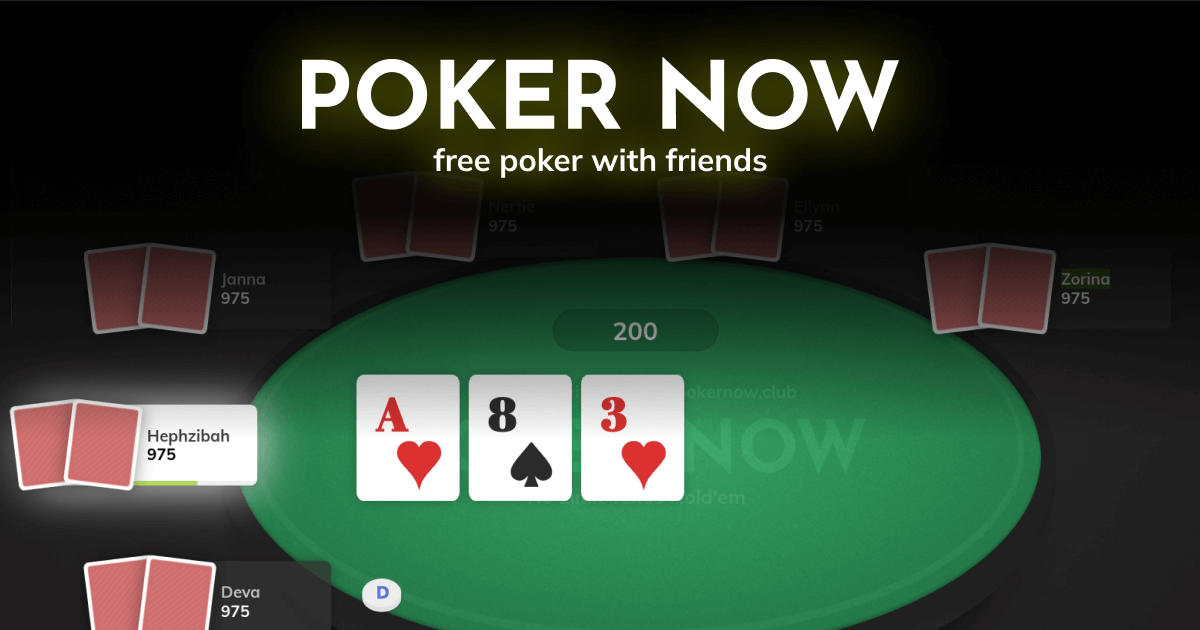
Off-Topic / PokerNow - Setup a free online...
Last post by Admin - Jan 04, 2026, 12:20 PMSetup any type of poker game for you and your friends to play online.
Great for setting up a private poker games and do it all for free!
Great for setting up a private poker games and do it all for free!

#59
Solana Tokens / GME on Solana
Last post by Admin - Jan 03, 2026, 10:11 PMUnderstanding GME on Solana: The Meme Coin Revolutionizing Retail Rebellion
In the ever-evolving world of cryptocurrency, meme coins have carved out a unique niche, blending humor, community spirit, and speculative trading. One such standout is GME on Solana, a token that draws direct inspiration from the infamous GameStop stock frenzy of 2021. Launched on the high-speed Solana blockchain, GME (often stylized as $GME) embodies the ethos of collective action against traditional financial systems. This article delves into the origins, mechanics, ecosystem, and potential of this token, providing a comprehensive overview for both newcomers and seasoned crypto enthusiasts.
The Origins: From Wall Street Drama to Blockchain Meme
The story of GME on Solana is inextricably linked to the real-world GameStop (NYSE: GME) saga. In early 2021, a group of retail investors on platforms like Reddit's r/WallStreetBets coordinated a massive short squeeze on GameStop stock, driving its price from under $20 to nearly $500 in a matter of weeks. This event exposed the vulnerabilities of hedge funds and highlighted the power of decentralized, community-driven movements. It wasn't just about profits; it was a symbolic uprising against Wall Street's elite.
Inspired by this narrative, GME on Solana emerged as a tribute meme coin. Launched in late 2023 or early 2024, the token positions itself as a digital extension of that rebellion. Unlike the stock, which is tied to the actual GameStop corporation, the crypto GME has no official affiliation with the company—it's purely a community homage. Its tagline, "GameStop to the moon!" captures the optimistic, viral energy that propelled the original event.
The choice of Solana as the blockchain is strategic. Solana's low transaction fees and high throughput make it ideal for meme coins, allowing rapid trading and community engagement without the gas fee hurdles seen on Ethereum. This has helped GME attract a dedicated following, particularly among those nostalgic for the 2021 hype.
Tokenomics: Supply, Distribution, and Economics
At its core, GME is designed with straightforward tokenomics to appeal to retail investors. The total supply is capped at 6,885,137,498 tokens, with the entire amount also serving as the circulating and max supply—meaning no additional tokens will be minted. This fixed supply model aims to create scarcity over time, potentially driving value through demand.
The contract address is 8wXtPeU6557ETkp9WHFY1n1EcU6NxDvbAggHGsMYiHsB, verifiable on explorers like Solscan. As a Solana-based token, it benefits from the network's SPL (Solana Program Library) standard, ensuring compatibility with wallets like Phantom or Solflare.
Market data as of early 2026 shows GME trading at around $0.0006 USD, with a market cap and fully diluted valuation (FDV) hovering near $4.1 million. Liquidity on its primary trading pair (GME/SOL on Raydium) stands at about $1.4 million, supporting a 24-hour trading volume of roughly $54,000. Historical performance has been volatile: it reached an all-time high of $0.03201 in June 2024 before correcting sharply, and an all-time low of $0.0003173 in January 2024. Spikes often correlate with broader market events or revivals of GameStop-related news, such as the 460% pump in May 2024 tied to 'Roaring Kitty' (Keith Gill) activity.
GME holders number around 46,450, indicating a moderately sized but engaged community. Sentiment remains largely bullish, with community polls showing 87% positive outlook.
Ecosystem and Utilities: Beyond the Meme
While GME started as a pure meme coin, it has evolved to incorporate web3 utilities. It positions itself as a gateway to gaming, DeFi, and governance experiences on Solana. Token holders gain access to exclusive content, platforms, and rewards, fostering participation and loyalty.
The ecosystem emphasizes partnerships to build real-world value. Notable collaborations include CLS Global for market making, GME Lottery for gaming elements, BETALTCOINS casino for gambling integrations, and staking options on HTX exchange. Other partners like PIGMO, Moonshot.win, BONKbot, and Moonshot enhance trading, payments, and community features. This network aims to create a self-sustaining environment where $GME serves as the native currency for various dApps and services.
Buying GME is accessible: users can purchase via fiat on-ramps like Apple Pay, Google Pay, or PayPal; trade on over 35 centralized exchanges (CEXs) such as Gate.io, MEXC, and CoinEx for high liquidity; or use DEXs like Raydium for decentralized control. Staking on platforms like HTX offers additional yield opportunities.
Community and Social Impact
GME's strength lies in its community, which echoes the defiant spirit of the original GameStop movement. It's tagged under categories like "Gaming," "Memes," and "Solana Ecosystem," attracting users interested in fun, speculative plays. Discussions often spill over to platforms like Twitter (now X), where hashtags and mentions drive virality.
The token promotes themes of financial empowerment and unity against "gatekeepers," resonating with retail investors disillusioned by traditional finance. However, it's worth noting that some view it as a diversion or pump-and-dump scheme, with Reddit threads warning against confusing it with the real stock.
Risks and Considerations
As with all meme coins, GME carries significant risks. Its value is highly speculative, driven by hype rather than fundamentals, leading to extreme volatility—evidenced by its 98% drop from ATH. There are multiple "GME" tokens on Solana, so verifying the correct contract address is crucial to avoid scams. Regulatory scrutiny on meme coins could also impact liquidity.
Investors should conduct due diligence, as audits show no major issues, but the space is rife with rugs. Always trade with funds you can afford to lose.
Conclusion
GME on Solana is more than just a token—it's a cultural phenomenon encapsulating the rebellious energy of the GameStop era in crypto form. With its fixed supply, growing ecosystem, and passionate community, it offers an entry point into Solana's vibrant meme scene. Whether it moons or stabilizes remains to be seen, but its story underscores the transformative potential of decentralized finance.
Important Links
In the ever-evolving world of cryptocurrency, meme coins have carved out a unique niche, blending humor, community spirit, and speculative trading. One such standout is GME on Solana, a token that draws direct inspiration from the infamous GameStop stock frenzy of 2021. Launched on the high-speed Solana blockchain, GME (often stylized as $GME) embodies the ethos of collective action against traditional financial systems. This article delves into the origins, mechanics, ecosystem, and potential of this token, providing a comprehensive overview for both newcomers and seasoned crypto enthusiasts.
The Origins: From Wall Street Drama to Blockchain Meme
The story of GME on Solana is inextricably linked to the real-world GameStop (NYSE: GME) saga. In early 2021, a group of retail investors on platforms like Reddit's r/WallStreetBets coordinated a massive short squeeze on GameStop stock, driving its price from under $20 to nearly $500 in a matter of weeks. This event exposed the vulnerabilities of hedge funds and highlighted the power of decentralized, community-driven movements. It wasn't just about profits; it was a symbolic uprising against Wall Street's elite.
Inspired by this narrative, GME on Solana emerged as a tribute meme coin. Launched in late 2023 or early 2024, the token positions itself as a digital extension of that rebellion. Unlike the stock, which is tied to the actual GameStop corporation, the crypto GME has no official affiliation with the company—it's purely a community homage. Its tagline, "GameStop to the moon!" captures the optimistic, viral energy that propelled the original event.
The choice of Solana as the blockchain is strategic. Solana's low transaction fees and high throughput make it ideal for meme coins, allowing rapid trading and community engagement without the gas fee hurdles seen on Ethereum. This has helped GME attract a dedicated following, particularly among those nostalgic for the 2021 hype.
Tokenomics: Supply, Distribution, and Economics
At its core, GME is designed with straightforward tokenomics to appeal to retail investors. The total supply is capped at 6,885,137,498 tokens, with the entire amount also serving as the circulating and max supply—meaning no additional tokens will be minted. This fixed supply model aims to create scarcity over time, potentially driving value through demand.
The contract address is 8wXtPeU6557ETkp9WHFY1n1EcU6NxDvbAggHGsMYiHsB, verifiable on explorers like Solscan. As a Solana-based token, it benefits from the network's SPL (Solana Program Library) standard, ensuring compatibility with wallets like Phantom or Solflare.
Market data as of early 2026 shows GME trading at around $0.0006 USD, with a market cap and fully diluted valuation (FDV) hovering near $4.1 million. Liquidity on its primary trading pair (GME/SOL on Raydium) stands at about $1.4 million, supporting a 24-hour trading volume of roughly $54,000. Historical performance has been volatile: it reached an all-time high of $0.03201 in June 2024 before correcting sharply, and an all-time low of $0.0003173 in January 2024. Spikes often correlate with broader market events or revivals of GameStop-related news, such as the 460% pump in May 2024 tied to 'Roaring Kitty' (Keith Gill) activity.
GME holders number around 46,450, indicating a moderately sized but engaged community. Sentiment remains largely bullish, with community polls showing 87% positive outlook.
Ecosystem and Utilities: Beyond the Meme
While GME started as a pure meme coin, it has evolved to incorporate web3 utilities. It positions itself as a gateway to gaming, DeFi, and governance experiences on Solana. Token holders gain access to exclusive content, platforms, and rewards, fostering participation and loyalty.
The ecosystem emphasizes partnerships to build real-world value. Notable collaborations include CLS Global for market making, GME Lottery for gaming elements, BETALTCOINS casino for gambling integrations, and staking options on HTX exchange. Other partners like PIGMO, Moonshot.win, BONKbot, and Moonshot enhance trading, payments, and community features. This network aims to create a self-sustaining environment where $GME serves as the native currency for various dApps and services.
Buying GME is accessible: users can purchase via fiat on-ramps like Apple Pay, Google Pay, or PayPal; trade on over 35 centralized exchanges (CEXs) such as Gate.io, MEXC, and CoinEx for high liquidity; or use DEXs like Raydium for decentralized control. Staking on platforms like HTX offers additional yield opportunities.
Community and Social Impact
GME's strength lies in its community, which echoes the defiant spirit of the original GameStop movement. It's tagged under categories like "Gaming," "Memes," and "Solana Ecosystem," attracting users interested in fun, speculative plays. Discussions often spill over to platforms like Twitter (now X), where hashtags and mentions drive virality.
The token promotes themes of financial empowerment and unity against "gatekeepers," resonating with retail investors disillusioned by traditional finance. However, it's worth noting that some view it as a diversion or pump-and-dump scheme, with Reddit threads warning against confusing it with the real stock.
Risks and Considerations
As with all meme coins, GME carries significant risks. Its value is highly speculative, driven by hype rather than fundamentals, leading to extreme volatility—evidenced by its 98% drop from ATH. There are multiple "GME" tokens on Solana, so verifying the correct contract address is crucial to avoid scams. Regulatory scrutiny on meme coins could also impact liquidity.
Investors should conduct due diligence, as audits show no major issues, but the space is rife with rugs. Always trade with funds you can afford to lose.
Conclusion
GME on Solana is more than just a token—it's a cultural phenomenon encapsulating the rebellious energy of the GameStop era in crypto form. With its fixed supply, growing ecosystem, and passionate community, it offers an entry point into Solana's vibrant meme scene. Whether it moons or stabilizes remains to be seen, but its story underscores the transformative potential of decentralized finance.
Important Links
- Official Website: https://www.gmestop.co
- CoinMarketCap: https://coinmarketcap.com/currencies/gme/
- DexScreener: https://dexscreener.com/solana/8wxtpeu6557etkp9whfy1n1ecu6nxdvbagghgsmyihsb
#60
Off-Topic / Please turn off your ad blocke...
Last post by Admin - Jan 03, 2026, 09:55 AMI just wanted to make a post to ask all of our users to please turn off your ad blocker while visiting this website. We only use a few banner ad placements to help cover the cost of website hosting.
Thank you for your support.
Karl
- Buy Banner Ad Space -